

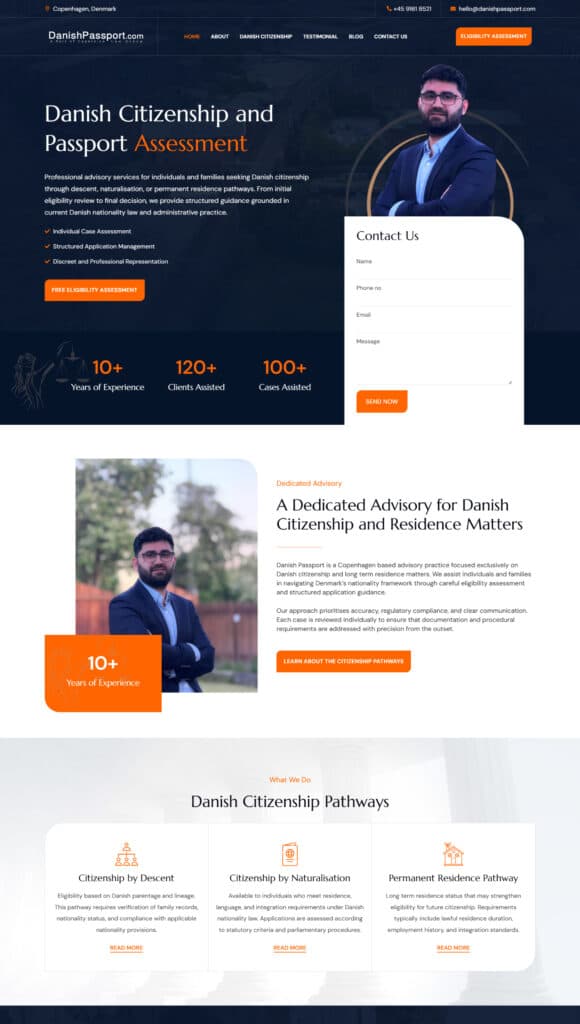
 View Project
 Danish Citizenship Website Design
Professional Services · Legal & Law Firms
Why Attors
Planning, content, design and development all happen in one team, so nothing gets lost between handoffs. You get a written plan, one point of contact and work you can review at every step. Whether it’s a business website, an online store or a custom app, you always know what we’re building, what we need from you and what comes next.

What choosing Attors changes
The partner you choose affects more than how the site looks. It shapes how well your needs are understood, how changes are handled, how you track progress and how smoothly the site is handed over.
Your goals, your customers' needs, your content and the technical limits are all discussed together. Designers and developers plan side by side instead of passing work over a wall.
What changes for you
Design, content and code pull in the same direction, and you understand why each choice was made.
We write down what we'll deliver, what we need from you and any trade-offs before the build starts. If something is still unclear, we agree when it will be decided.
What changes for you
You can check the plan, get your content and logins ready, and see how a change would affect cost or timing.
Each stage ends with something real you can look at: a sitemap, a design or a working preview. Feedback and agreed changes are written down.
What changes for you
You judge progress by work you can see and test, not by updates you have to take on trust.
We plan the launch, logins and handover from the start. You receive the code, files and guides agreed in your proposal.
What changes for you
You know what you own, what your team looks after after launch and what would need a support plan.
One connected team
Not every project needs every skill. But the skills your project does need work as one team, around one plan, so there are fewer gaps and surprises along the way.
The mix depends on the project. We bring in the people your project needs and keep them working from the same plan from start to finish.
We start with your goals, your customers and what success looks like, before we recommend anything.
We plan the pages, menus and content so visitors find what they need and your team can keep it up to date.
You see wireframes and designs for each key page before development starts, and can review them as the build goes on.
We build in stages you can test and connect the site to your CRM, payment, booking or other tools.
Every build is checked for working features, speed, accessibility and SEO basics before launch.
We plan the go-live, hand over logins and files, and agree who looks after the site afterwards.
Clarity built into the engagement
Before the build starts, we agree who leads, who signs off and how feedback flows. Both teams know what they are responsible for and what the other side needs from them.
Your written proposal confirms how this works for your project. You can see every stage in detail on Our Process.
One agreement
Visible responsibility
You get one Attors project lead. We also agree who on your side gives feedback and who signs off each step. Every open question has a named person responsible for it.
You always know who to ask and who decides.
Your proposal lists what we deliver, what we need from you and what is not included. If you want a change, we show you the effect on cost and timing before you approve it.
No surprise invoices. You decide on changes with the full picture.
Each stage ends with work you can look at. Feedback comes through one person, and decisions are written down before the next stage starts.
Progress is easy to check, and nobody has to remember what was agreed.
Before launch we confirm what you receive and who looks after the site. Maintenance, support or new features are agreed in your proposal or in a separate plan.
You know what you own at launch and what happens next.
Browse recent Attors websites, online stores and platforms. Each one was planned, designed and built by the same connected team.
View Project Professional Services · Legal & Law Firms
 View Project
 WooCommerce · WordPress
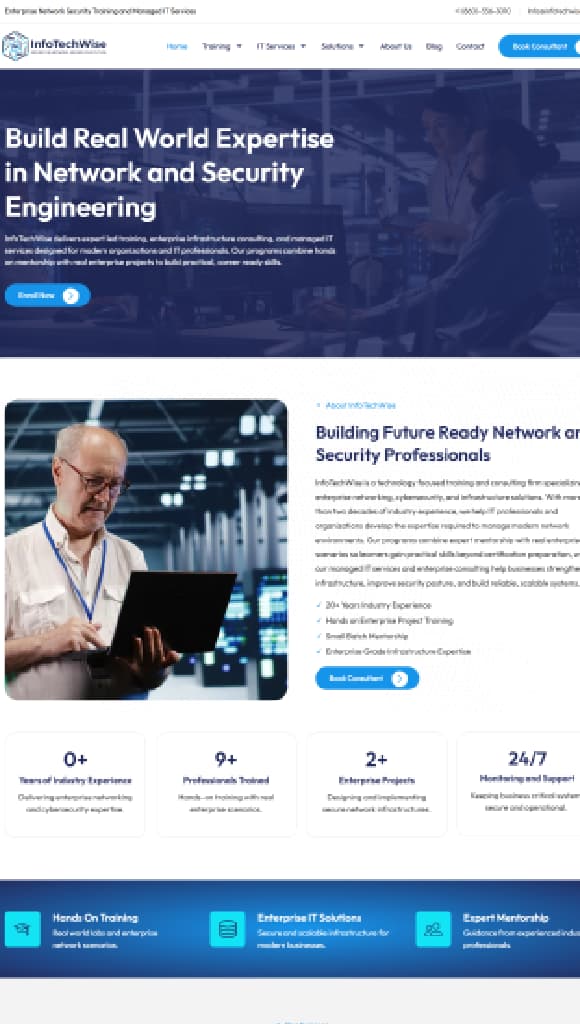 View Project
 WordPress · B2B Companies
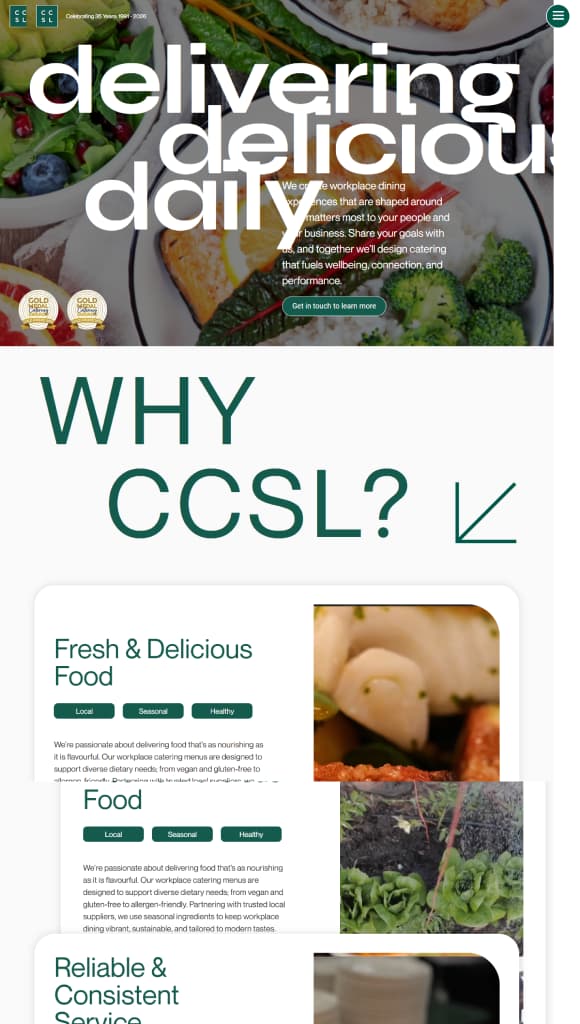 View Project
 Wix · WordPress
 View Project
 WooCommerce · WordPress
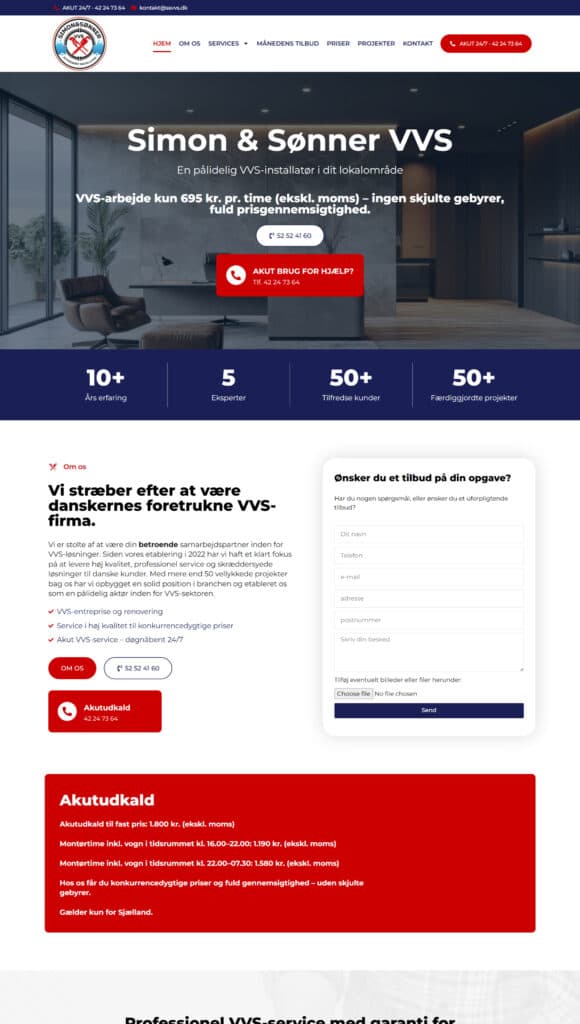 View Project
 Professional Services · Home & Repair Services

We have been working with Attors Technologies for over 5 years, and throughout this time they have handled all of our website development work with professionalism and reliability. Hamza and his team are always responsive, easy to work with, and committed to delivering quality work.
We’ve been working with Abuzar and the team at Attors Technologies for several years and have completed many successful website projects together. Their expertise in web development and digital solutions is outstanding.
We had a very good experience working with Attors Technologies. They built our website and have also been helping with SEO and regular maintenance. The website is working well, and we are getting good customer inquiries from it.
When Attors is the right working fit
Attors is a strong fit when your project matters, needs joined-up thinking and has to keep working well long after launch.
Sound like your project? Send us your goals, your current website and who will make decisions, and we’ll suggest the next step.
Your website, store or app matters to how your business wins customers and runs day to day.
Your goals, customer experience, content and technical needs have to be planned together.
You like clear roles and want to weigh cost, timing and long-term upkeep honestly.
Someone on your team can share logins and content and give feedback on time.
You want a site your team can run, and keep improving, after launch.
How we compare with freelancers and larger agencies, and what you can expect.

A freelancer is often one person covering design, development and support. With Attors you get planners, designers and developers working to one plan, a named project lead, and cover when someone is away, at clear published prices.
You work directly with the people building your site, with fixed published prices and no account-management layers. Large agencies often charge more for the same work and move slower on small changes.
Every project starts with a written plan and a fixed quote. If you ask for something new, we show the effect on cost and timing first, and nothing extra is done until you approve it.
Yes. We work with clients in the United States, the United Kingdom, Ireland, Denmark and the UAE. We schedule calls to overlap with your working day and reply within one business day.
We guarantee the work in your written plan: the agreed pages, features, testing and handover. We do not promise search rankings or sales figures, because those depend on factors outside any agency's control.
You own the site and receive its logins, files and guides. You can manage it yourself, or choose a monthly plan for maintenance, SEO and new features.