Email: [email protected]WhatsApp: +92 309 9867390
Attors Technologies
Attors Technologies

Explore Attors

Project Enquiries

Shadola Road AreaGujrat, Pakistan
[email protected]+92 309 9867390Start a Project
Real Estate Web Development

Help People Explorethe Right PropertyWith Confidence

Attors designs property websites that connect useful search, maps and filters with clear project or listing detail. Buyers, tenants and investors can narrow options without losing the location context behind the decision.


Property team reviewing a map-led real estate discovery website
Property Website Foundations

What Property Audiences Need Before They Make an Enquiry

People need to identify suitable properties, understand the place and compare the details that matter to their situation.

A useful real estate website keeps information, media, availability and the next action clear while recognizing that final suitability requires a direct conversation.

01

Useful Property Discovery

Provide meaningful search, maps and filters based on the portfolio and audience.

02

Clear Project Information

Connect approved imagery, plans, amenities, status and location context in a readable structure.

03

Accurate Availability Context

Show only information the organization can maintain and make update ownership explicit.

04

Qualified Enquiry Paths

Preserve property and location context, set expectations and route the request appropriately.

Connected Property Journey

Connect Location Discovery to a Relevant Property Conversation

Guide a visitor from a location or property need through useful detail and comparison, then carry their selected context into an accountable follow-up.

01

Find

Project, property and location pages create relevant entry points.

02

Explore

Search, maps and filters help narrow suitable opportunities.

03

Evaluate

Approved media, plans, amenities and status support consideration.

04

Enquire

A focused path captures the property and useful preferences.

05

Follow Up

The responsible team receives context and continues the conversation.

Selected Attors Work

Explore Selected Website and Platform Work

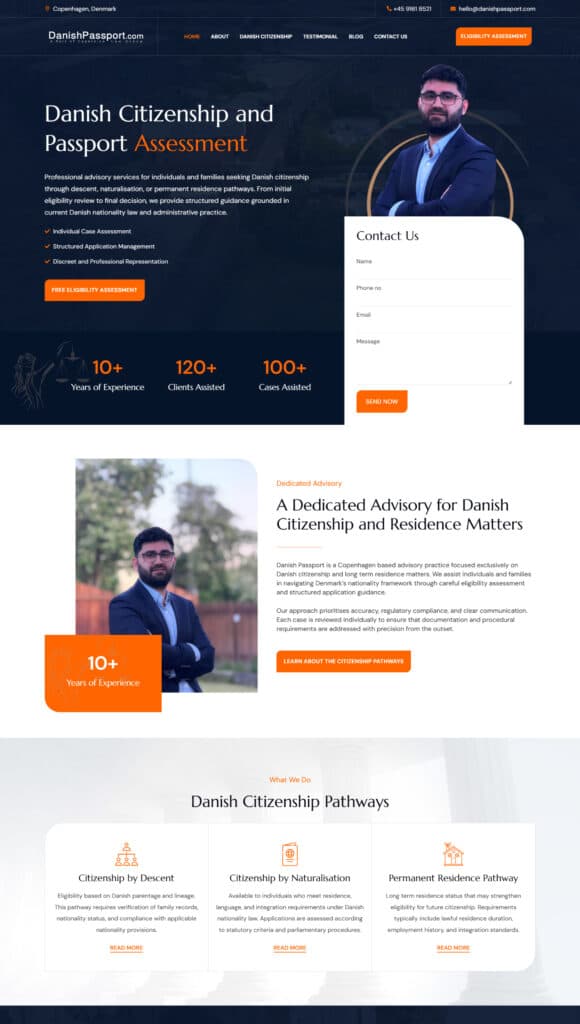
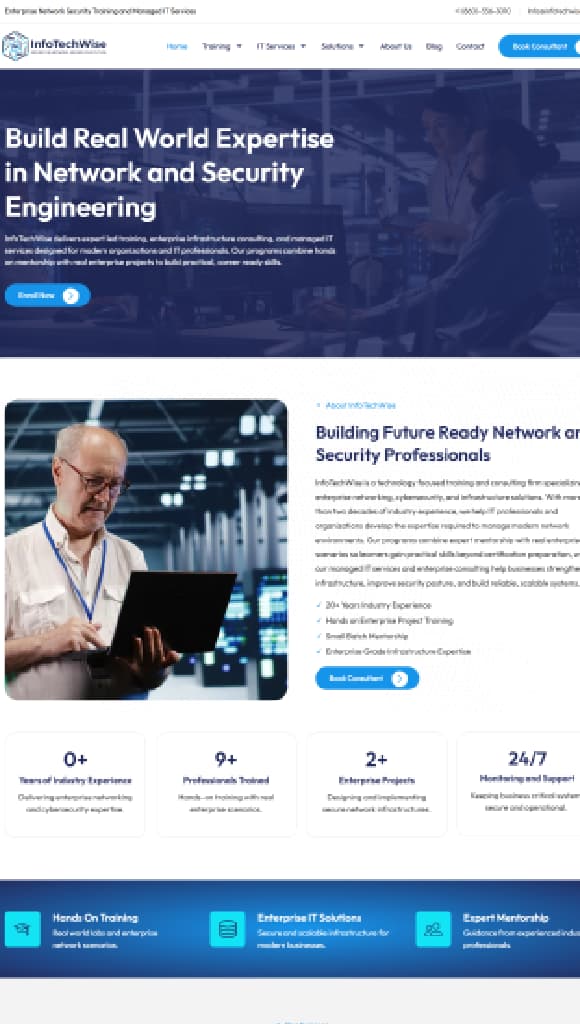
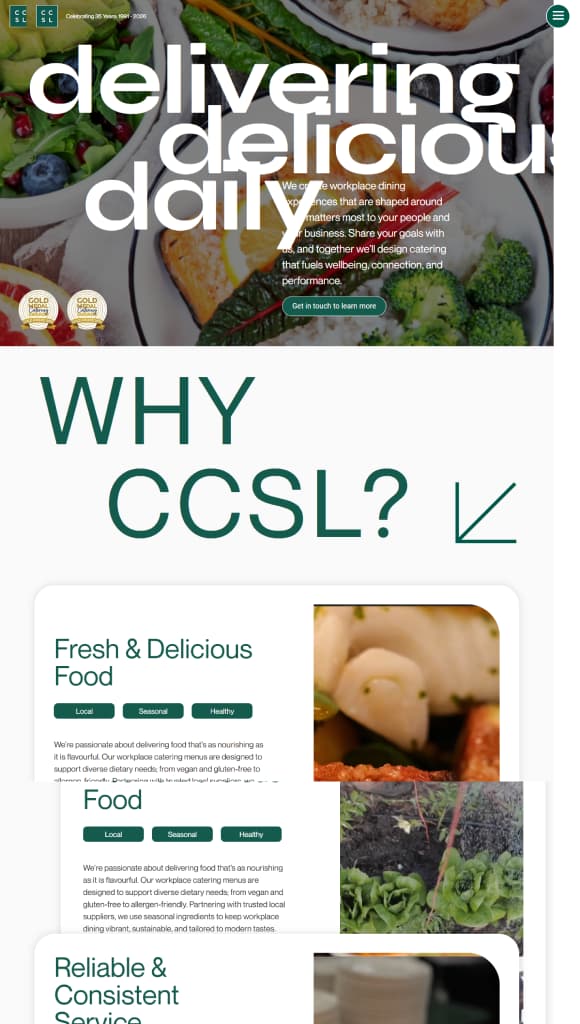
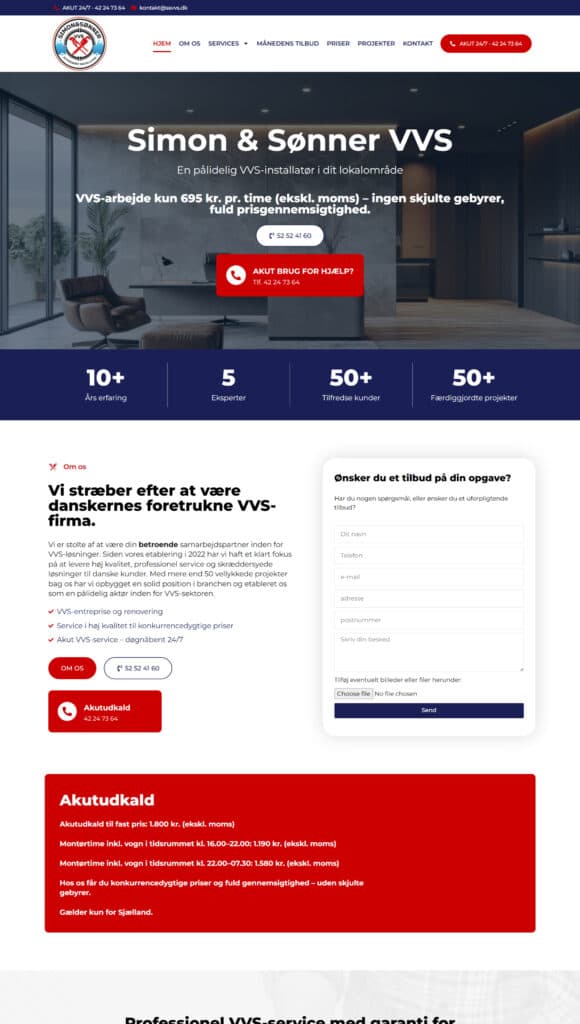
Review genuine Attors projects and discuss the visual, discovery or enquiry patterns relevant to your property portfolio. Projects are not described as real estate proof unless their CMS records support that description.

Explore All Work
Real Estate Website Capabilities

Web Development Around Property Discovery and Enquiries

Combine strong project presentation with usable discovery, controlled data and clear enquiry handover.

Present Projects

Explain each property through accurate content and media.

  • Project page architecture
  • Media and plan galleries
  • Location and amenity content

Support Discovery

Help people narrow a relevant portfolio.

  • Map and listing UX
  • Search and filters
  • Saved or compared context

Qualify Enquiries

Capture property interest and useful preferences.

  • Viewing and enquiry forms
  • Conditional questions
  • Routing and confirmations

Connect Systems

Integrate approved listing and commercial workflows.

  • Listing data connections
  • CRM handover
  • Analytics and release testing
Portfolio and Data Fit

Choose a Foundation for Properties, Content and Leads

Portfolio complexity, data sources, editorial roles and enquiry ownership should determine the technical approach. A listing integration is not assumed until its provider and permissions are verified.

Review first

  • Portfolio and project structure
  • Listing or availability data source
  • Media and content ownership
  • Search, maps and filters
  • CRM and enquiry responsibilities
WordPress

Project Content CMS

Best when Teams need governed control of project stories, locations, people and manageable property records.

Plan for Content models, roles, media workflow, hosting, updates and archive rules.

Custom Property Platform

Best when Complex portfolios, permissions, saved journeys or multi-market data exceed standard content patterns.

Plan for Architecture, identity, integration scope, privacy and long-term ownership.

Choose the architecture after the public source of truth and enquiry responsibilities are clear.

Property Website Delivery

From Portfolio Discovery to a Controlled Launch

Align marketing, sales and data owners before implementation. Review property accuracy, media rights and enquiry behavior at clear gates.

  1. 01

    Portfolio Discovery

    Define audiences, properties, locations and goals.

  2. 02

    Content Architecture

    Map projects, listings, media and ownership.

  3. 03

    Experience Design

    Review discovery, detail and enquiry journeys.

  4. 04

    Build & Connect

    Implement templates, data and CRM handoffs.

  5. 05

    Acceptance Checks

    Validate records, forms and responsive behavior.

  6. 06

    Launch & Handover

    Release with content and enquiry owners clear.

Attors leads

Experience architecture, frontend implementation, agreed integrations, responsive QA and release preparation.

Your team reviews

Property accuracy, availability, media rights, required notices, routing and system access.

Risk controlled

Track data gaps, feed constraints, approval delays and routing exceptions before affected releases.

Performance & Property Visibility

Improve Discovery and Enquiry Quality Over Time

Review speed, crawlability, property engagement and enquiry context together. Prioritize changes that help relevant audiences reach accurate project information.

  1. 01

    Measure

    Baseline speed, search health, discovery use and enquiries.

  2. 02

    Diagnose

    Find data gaps, weak pathways and technical friction.

  3. 03

    Prioritize

    Order work by audience need, commercial value and effort.

  4. 04

    Improve & Validate

    Release focused changes and review the outcome.

Frequently Asked Questions

Real Estate Web Development FAQs

Answers about property discovery, listing data, maps, project content, enquiries, search visibility, migration and scope.

What should a real estate website help visitors do?

It should help people find relevant properties or projects, understand their location and key details, compare appropriate options and make a focused enquiry. The exact journey differs for developments, agencies, commercial portfolios and property operators. The site should present only information and availability the organization can maintain.

How should property search and filters be designed?

Use the criteria that genuinely affect selection, such as location, property type, status or other portfolio-specific attributes. Start with data quality and audience needs before adding controls. Too many weak filters can make discovery harder. Maps and results should remain synchronized, accessible and useful on smaller screens.

Can the website integrate with our listing or property system?

It can be scoped if the provider offers an authorized, supported feed or API. Define identifiers, field mapping, media rights, update frequency, unavailable records, fallbacks and ownership. Attors does not assume a particular MLS, IDX or property platform. The exact approach follows the systems and permissions confirmed for the project.

How should a property development page be structured?

A project page may combine positioning, approved imagery, location context, plans, amenities, availability guidance and relevant actions. Prioritize information people need to evaluate fit. Avoid unsupported lifestyle claims and decorative galleries without context. The organization should assign owners for updates as project status and availability change.

What information should a property enquiry form collect?

Capture the selected property or project, the enquiry type and only the preferences needed for useful follow-up. Set response expectations and avoid unnecessary personal data. Define routing, consent, retention, notifications and failure handling before connecting a CRM. The form should support the conversation rather than act as an unowned database.

How can property websites support search visibility?

Use crawlable project, property and location pages with descriptive headings, useful internal links, appropriate metadata and accurate structured data where visible content supports it. Technical readiness can improve understanding by search and answer systems, but rankings and AI citations cannot be guaranteed. Accurate, differentiated property content remains essential.

Can a property website be redesigned without losing existing content?

Inventory URLs, listings, projects, media, metadata, links, feeds and enquiry paths before redesign. Decide what remains, consolidates or redirects, and confirm rights to retained media. Validate server-rendered pages, canonicals and form destinations after release. Monitor search and enquiry behavior rather than assuming the migration is risk-free.

What affects real estate website project scope?

Scope depends on portfolio size, project and listing types, data sources, maps and filters, media volume, languages, enquiry paths, CRM integration and migration requirements. Share the current website, representative records, target audiences, data owners and priority actions so Attors can identify dependencies and prepare a project-specific scope.

Start a Project
Plan Your Property Website

Discuss Your Property Growth Priorities

Share the portfolio people must explore, the location and project context they need and how property enquiries are handled. Attors will use that information to shape the right next conversation.

  1. 01

    Priority audience

    Who searches and evaluates the property

  2. 02

    Property portfolio

    Projects, listings and location data

  3. 03

    Enquiry operations

    Routing, CRM and response ownership

  4. 04

    Growth direction

    The market or journey to improve

Useful project context

  • Current property website
  • Priority portfolio and markets
  • Discovery and enquiry journey

Important dependencies

  • Listing and availability data
  • Media rights and approvals
  • CRM and follow-up ownership

What happens next

Attors reviews the portfolio, audience journey and system responsibilities, identifies important dependencies and recommends the most useful scoping conversation.

Clear discovery. Accurate context. Qualified enquiries.