Help ProspectiveClients Find theRight Legal Service
Attors creates law firm websites that organize practice areas, attorney information and consultation paths around what prospective clients need to understand. Clear structure supports informed contact without promising a legal outcome.
Set expectations before an enquiry, request only appropriate initial context and route submissions to an agreed owner. Intake design should respect privacy while avoiding claims that a submission creates representation.
Give visitors an accurate route from a legal need to the relevant team and office. Structured profiles and location content are easier to maintain and can support local discovery without duplicating pages.
What ProspectiveClients Need Froma Law Firm Website
People may arrive with an urgent, unfamiliar or sensitive problem. The website should help them identify relevant services and understand the next step without adding uncertainty.
Attors plans legal website content around clear scope, verifiable professional information, accessible reading and responsible enquiry handling.
01
Clear Practice-Area Scope
Explain the matters a team handles, relevant boundaries and the location or jurisdiction context needed to assess basic fit.
02
Accurate Professional Profiles
Present roles, experience and approved credentials consistently, with ownership for keeping attorney information current.
03
Responsible Consultation Paths
State what happens after contact, collect appropriate initial context and avoid implying that an enquiry establishes a lawyer-client relationship.
04
Accessible, Maintainable Content
Use readable page structures, descriptive navigation and structured editing so important public information remains usable and accurate.
From Legal Need to Consultation
Guide Prospective Clients Without Adding Uncertainty
Connect the page a person finds with the information, attorney or office relevant to their situation, then make the consultation process understandable.
01
Find
Search-ready practice and location pages provide a relevant entry point for a specific legal need.
02
Understand
Plain-language scope and process information help visitors assess whether the service may be relevant.
03
Review
Attorney profiles, approved credentials and useful resources provide context without guaranteeing results.
04
Contact
A focused consultation path sets expectations and sends appropriate context to the responsible team.
05
Continue
Confirmation and follow-up instructions explain what happens next and where urgent alternatives belong.
Selected Attors Work
Explore Selected Professional Website Work
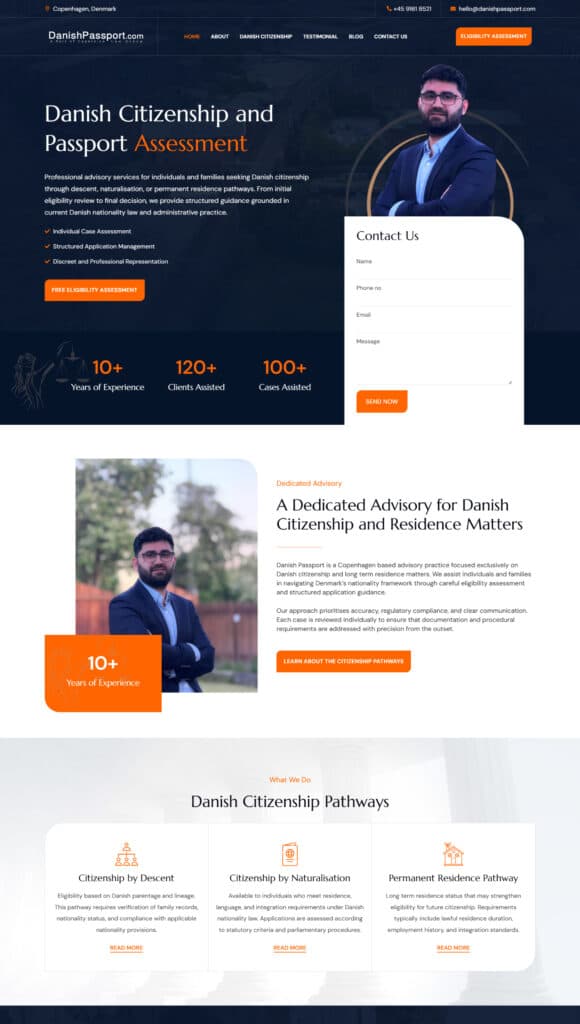
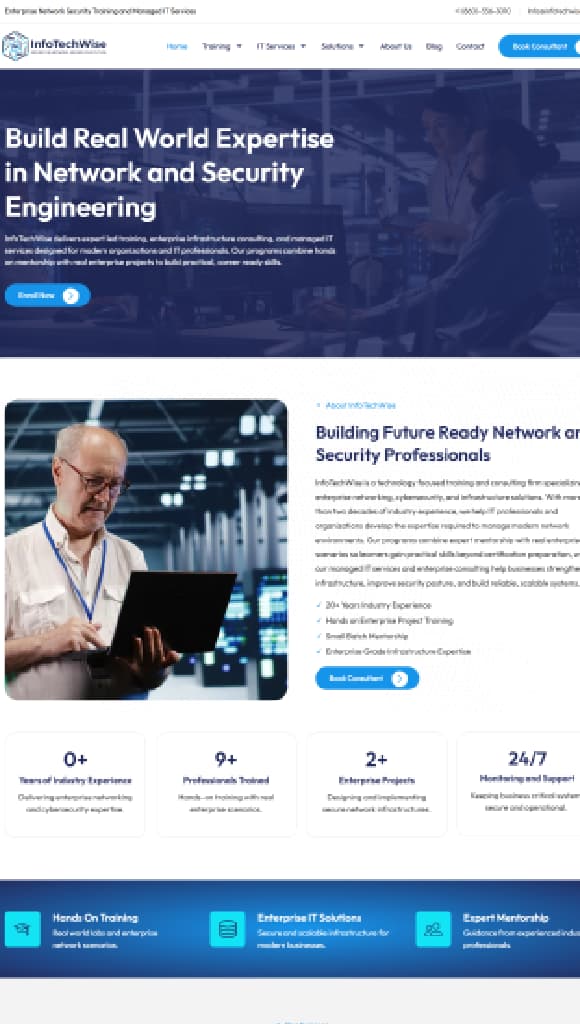
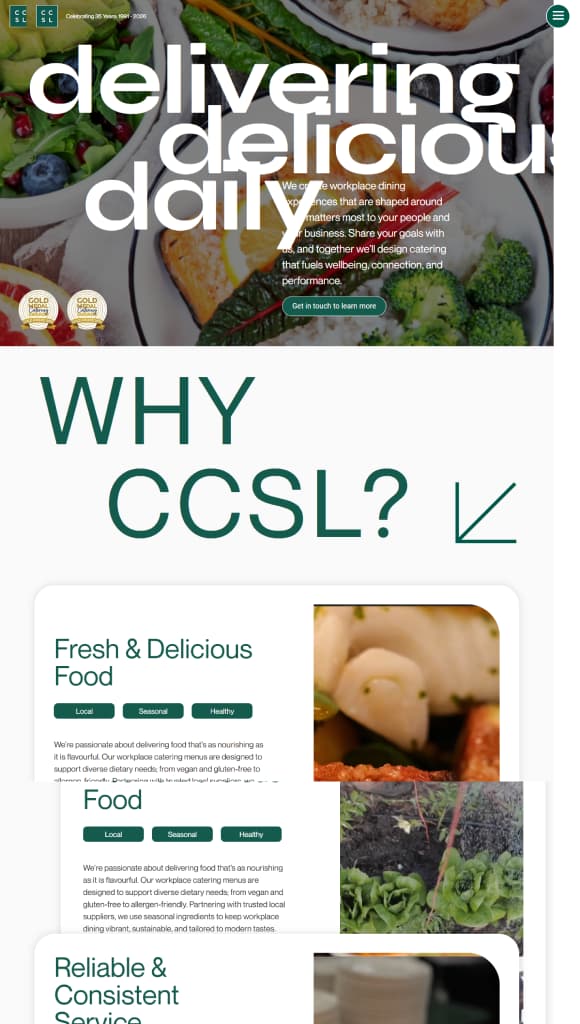
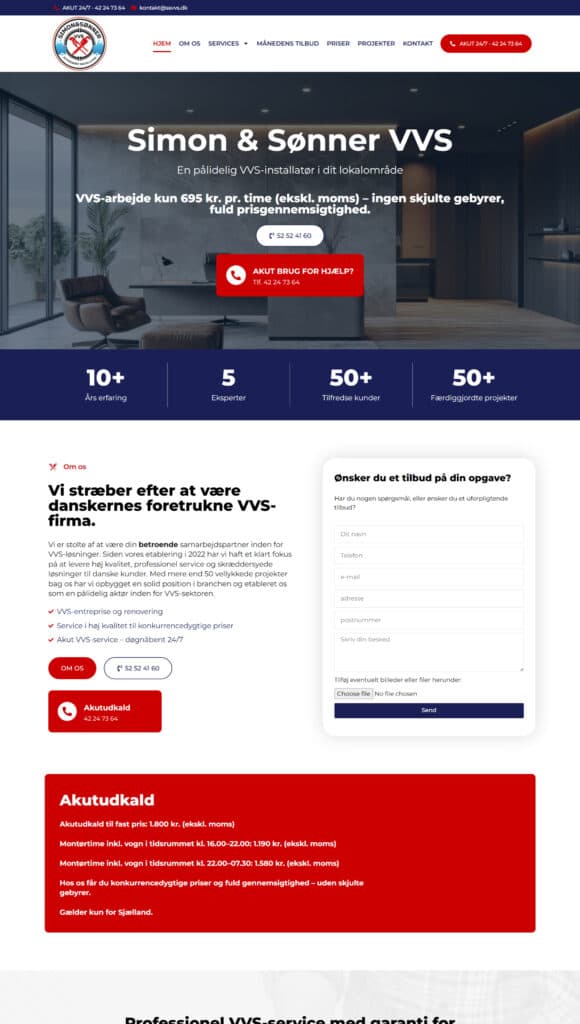
Review genuine Attors projects, then discuss the content structures, accessibility considerations or enquiry patterns relevant to your firm. Examples are not presented as legal-sector results unless the underlying project says so.
Web Design and Development Around Legal Client Decisions
Build the pages, editorial controls and consultation paths your firm can maintain accurately. Scope each capability against approved content, intake responsibilities and existing systems.
01
Organize Legal Services
Give each practice area an understandable, distinct purpose.
Practice-area architecture
Attorney and team profiles
Location content templates
02
Support Consultation
Make initial contact clear without collecting unnecessary detail.
Consultation forms
Expectation and consent copy
Routing and notifications
03
Manage Firm Content
Provide structured editing and defined publishing responsibilities.
Professional CMS workflows
Resource and insight publishing
Role-based editorial access
04
Protect Continuity
Migrate and release important content with controlled checks.
URL and content inventory
Redirect implementation
Accessibility and release QA
Content, Intake & Access
Choose a Foundation Your Firm Can Govern
Publishing legal information, receiving initial enquiries and sharing client-specific material involve different responsibilities. Define those boundaries before selecting technology.
Best when The firm needs structured control of practices, profiles, locations and resources.
Plan for Approval roles, updates, hosting, permissions and necessary extensions.
Connected Intake
Best when Consultation enquiries must reach an approved case-management or CRM workflow.
Plan for Vendor APIs, appropriate fields, consent, routing failures and ownership.
Client Access
Best when Existing clients require authenticated documents, updates or defined service tasks.
Plan for Identity, authorization, source systems, retention and support responsibilities.
A public firm website should not be treated as a substitute for secure, authenticated client systems.
Law Firm Website Delivery
From Firm Discovery to a Controlled Launch
Confirm content owners, intake responsibilities and approval requirements before implementation. Review accuracy and usability at each project gate.
01
Firm Discovery
Define audiences, practices, locations and consultation needs.
02
Content Architecture
Map practices, profiles, resources and ownership.
03
Experience Design
Review readable layouts, navigation and contact paths.
04
Build & Connect
Implement approved templates, forms and integrations.
05
Acceptance Review
Check content, access, routing and responsive use.
06
Launch & Handover
Release with publishing and support owners documented.
Attors leads
Information architecture, interface design and development, agreed integrations, accessibility checks and release preparation.
Your firm reviews
Legal accuracy, professional details, jurisdiction context, intake policy, privacy wording and authorized approvals.
Risk controlled
Track missing content, system access, approval dependencies and migration decisions before affected work proceeds.
Performance & Local Visibility
Keep Legal Information Findable, Fast and Current
Review technical performance, practice-area visibility and enquiry reliability together. Improvement should preserve accuracy and accessibility rather than chase traffic without service fit.
01
Measure
Establish baselines for page speed, search health and agreed enquiry events.
02
Diagnose
Find slow templates, unclear service paths and intake failures.
03
Prioritize
Order work by prospective-client need, firm risk and effort.
04
Improve & Validate
Release focused changes and recheck the intended journey.
Frequently Asked Questions
Law Firm Web Design FAQs
Answers about practice areas, attorney profiles, consultation intake, accessibility, local visibility, integrations, migration and scope.
What should a law firm website include?
A useful law firm website explains the services offered, who handles them, relevant office or jurisdiction context and how to request a consultation. It may also include attorney profiles, resources and clear expectations for contact. Content should be reviewed by the firm for accuracy and applicable professional requirements. The website should never imply a guaranteed legal outcome.
How should practice-area pages be structured?
Give each page a distinct client need and service scope. Explain the matters addressed, relevant process context, who may handle the work and a clear next step. Avoid duplicating near-identical pages for locations or keyword variants. Internal links should help people move between genuinely related services, attorneys, resources and offices.
What information should a consultation form collect?
Collect only the initial details the firm has approved as useful and appropriate for routing. Explain what happens after submission and avoid implying that sending a form creates representation. Sensitive case information may require a different controlled process. Field choices, consent, notifications and retention responsibilities should be reviewed before launch.
Can a law firm website connect to a CRM or case-management system?
An integration can be assessed once the vendor API, plan, permissions and intended workflow are known. Define field mapping, duplicate handling, responsible recipients and delivery failures. Not every system permits every connection. The firm must approve what information is collected and where it is stored; Attors implements only the agreed technical scope.
How can a law firm website support local search visibility?
Use accurate office information, distinct service and location context, crawlable pages, consistent business details and appropriate structured data. Do not create thin doorway pages for every city or combine unrelated jurisdictions. Local visibility also depends on factors outside the website, so rankings or placement should not be guaranteed.
How do accessibility requirements affect legal website design?
Accessible design supports keyboard use, readable contrast, meaningful headings, descriptive links, form labels and responsive content. It should be treated as an ongoing quality responsibility across design, content and updates. Attors can build and test against an agreed technical standard, but legal compliance conclusions require qualified advice for the firm's circumstances.
Can we keep important URLs and content during a redesign?
Yes. Begin with a page, URL and metadata inventory. Decide what remains, what is consolidated and where redirects are appropriate before templates change. Review practice pages, attorney profiles, location content, internal links and enquiry destinations. Search outcomes cannot be guaranteed, so monitoring and issue ownership should continue after release.
What affects the scope of a law firm website project?
Scope depends on practices, offices, attorney profiles, content readiness, editorial approvals, intake integrations, accessibility targets and migration requirements. The firm's review capacity also affects delivery. Share the current site, priority services, locations, systems and approval responsibilities so Attors can define an accurate project-specific scope.
Share the practices and locations the website must explain, how prospective clients currently make contact and who approves professional content. Attors will turn that context into a focused project conversation.
01
Prospective clients
Who needs help finding the right service
02
Practice structure
Services, attorneys and locations to connect
03
Intake process
What happens after an enquiry
04
Firm priorities
The content or journey to improve next
Useful project context
Current firm website
Priority practices and offices
Attorney and content ownership
Important dependencies
Consultation and routing policy
Approved system access
Privacy and professional review
What happens next
Attors reviews the firm context, identifies important content and intake dependencies and recommends the right scoping conversation.