Website Performance Optimization
Website Speed Optimization for Real Pages and Journeys
Attors measures loading, rendering, layout stability, interaction and request behavior before recommending changes to code, media, scripts or infrastructure.
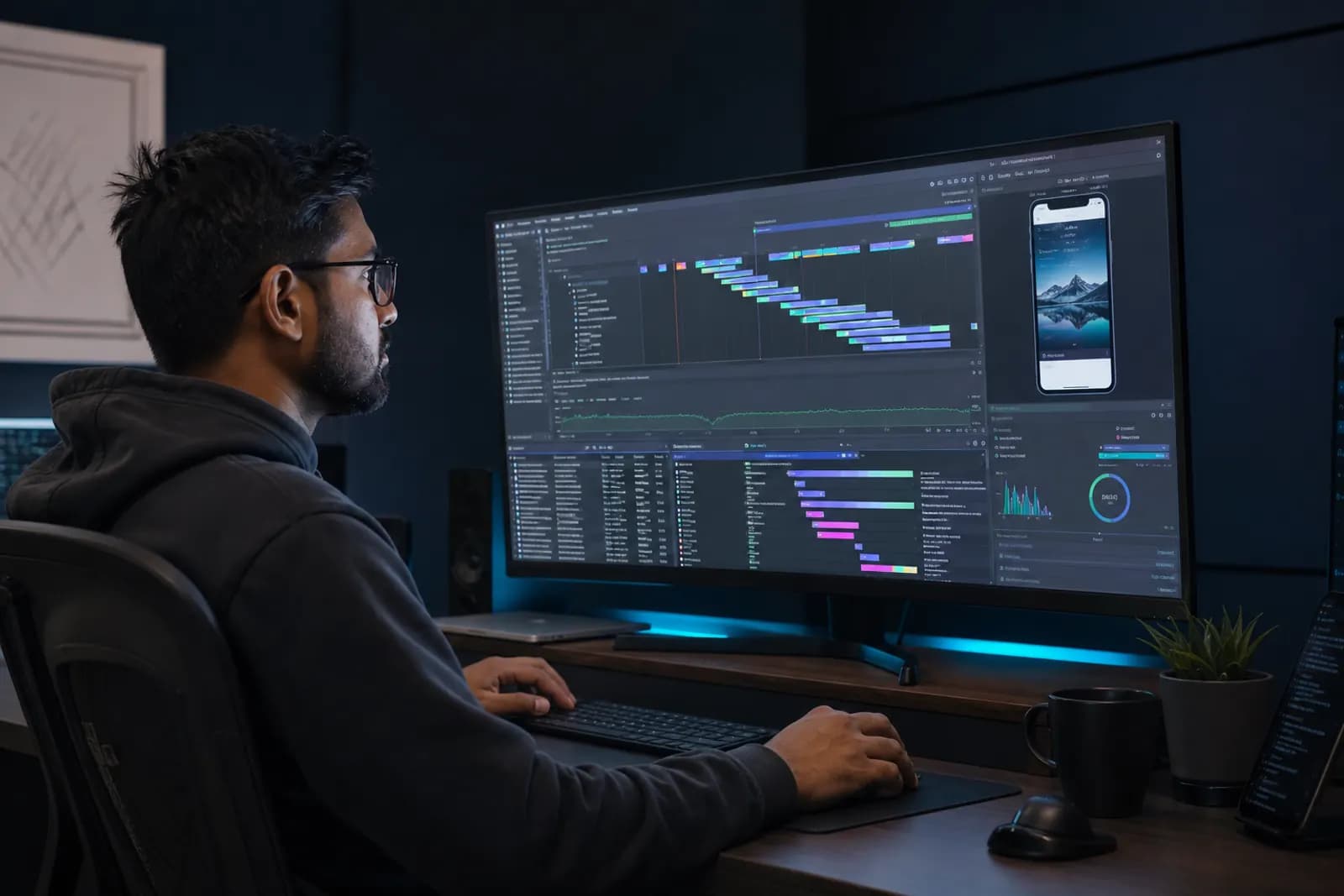
Attors measures loading, rendering, layout stability, interaction and request behavior before recommending changes to code, media, scripts or infrastructure.
Use focused optimization when measurable bottlenecks can be corrected safely. Consider a rebuild when the architecture repeatedly ships excessive code, unstable layouts or dependencies that cannot be improved without structural change.
A focused scope addresses verified issues in media, scripts, rendering, caching or third-party behavior.
Structural work is appropriate when performance problems come from rendering strategy, component design or accumulated dependencies.
Performance work should connect a technical bottleneck to a page, device or user journey. Attors measures before changing code.
Audit Your WebsiteCritical resources compete with non-essential work. We improve loading order and rendering priorities.
Media, fonts and dynamic content move controls unexpectedly. We address layout space and loading behavior.
Long browser tasks block input. We identify expensive JavaScript and component behavior.
Oversized media wastes bandwidth. We define formats, sizes, responsive delivery and loading rules.
Tags and widgets add network and main-thread cost. We measure their effect and challenge unnecessary loading.
A single lab score can hide real journeys. We compare lab diagnosis with field evidence where available.
Attors combines measurement, Core Web Vitals diagnosis, frontend analysis, media optimization, script review and post-change validation.
Discuss PerformanceWe test representative templates, devices and interactions instead of one convenient URL.
LCP, INP and CLS evidence is traced to likely resources, code and layout behavior.
Fonts, CSS, JavaScript and data dependencies are assessed by loading priority.
Images and video receive appropriate formats, sizes, compression and loading behavior.
We reduce unnecessary client work and expensive interaction paths.
Tags, widgets and consent behavior are reviewed for justified loading and impact.
Changes are checked against functionality, accessibility and supported layouts.
Post-change evidence is compared with the baseline and documented honestly.
Your scope defines the pages, metrics, bottlenecks, implementation work and validation evidence included in the engagement.
Recorded lab and available field evidence for priority pages and devices.
Prioritized findings linked to resources, code, layouts and journeys.
Recommended changes, dependencies, risks and expected technical effect.
Approved rendering, JavaScript and component changes.
Optimized formats, responsive sizing and loading behavior.
Changes to third-party loading and justified dependencies.
Checks covering functionality, layout and supported experiences.
Measured results, limitations and recommended next steps.
The process establishes a baseline, traces bottlenecks, implements approved changes and measures again.
Explore Our Full ProcessWe identify business journeys, representative templates, devices and current evidence.
We analyze loading, rendering, layout, interaction, media, scripts and infrastructure signals.
Changes are sequenced by impact, risk, dependency and effort.
We implement approved frontend, media, script and delivery changes.
We verify that performance work preserves required content, functionality and access.
We measure again, document results and identify remaining constraints.
Performance changes can alter loading, scripts and rendering. Attors records required functionality and measurement before removing or deferring work.
Business-critical templates and actions define the test scope.
Lab and available field data establish the baseline.
Tracking, forms and business services are classified before changes.
Visual quality and content priority guide image and video decisions.
Server, client and API requirements are traced for critical content.
Optimization must preserve supported interaction and access.
Hosting, CDN, invalidation and deployment ownership are reviewed.
Measurement and consent requirements remain explicit.
Priority journeys, analytics access, field evidence, technology, hosting and required scripts help Attors define a useful optimization scope.
Page count, architecture, third-party scripts, media, hosting access, implementation depth and regression testing shape delivery.
Audit depth, frontend changes, media work, infrastructure coordination, QA and post-change validation shape the estimate.
Named owners for required functionality, analytics, code and release decisions keep optimization accountable.
Your proposal confirms pages, metrics, changes, dependencies, testing, validation, responsibilities and exclusions.

We have been working with Attors Technologies for over 5 years, and throughout this time they have handled all of our website development work with professionalism and reliability. Hamza and his team are always responsive, easy to work with, and committed to delivering quality work.
We worked with Attors Technologies for our Shozi Home Appliance Repairs website in Abu Dhabi, and the experience has been excellent. They built a clean, professional website for our appliance repair services and also handled the SEO and ongoing maintenance.
We had a very good experience working with Attors Technologies. They built our website and have also been helping with SEO and regular maintenance. The website is working well, and we are getting good customer inquiries from it.

Clear answers about page speed, Core Web Vitals, measurement, frontend optimization, timelines and cost.

Website performance optimization improves how quickly and steadily pages load, render and respond. It can involve code, media, fonts, scripts, data, caching and infrastructure.
Largest Contentful Paint (LCP) measures when the main visible content loads. Interaction to Next Paint (INP) measures how quickly the page responds to input. Cumulative Layout Shift (CLS) measures unexpected movement. Real-user data and controlled lab tests provide different evidence.
No responsible provider can guarantee one fixed score across devices, networks and test locations. Attors establishes a baseline, improves verified bottlenecks and reports measured outcomes and constraints.
Lab data runs a controlled test and helps diagnose problems. Field data reflects eligible real-user visits over time. Both are useful, but they answer different questions.
Image work balances visual quality with delivery cost. Appropriate dimensions, formats, compression and responsive sources reduce waste without treating every image the same.
Their loading can often be delayed, limited or removed, but business, consent and vendor requirements must be understood first.
Performance can affect user experience and Core Web Vitals are part of Google's page experience systems. Relevance, content and many other signals also influence search visibility.
Yes. Attors can assess WordPress, Next.js and other frontend stacks when code, hosting and required services are accessible.
Timeline depends on page scope, architecture, bottlenecks, access, third-party scripts, implementation depth and regression testing.
Cost depends on audit depth, page and template count, code changes, media, infrastructure coordination, QA and validation.
We may need analytics and field data, source code, hosting or CDN details, test environments, representative pages and information about required third-party services.
Performance budgets, review rules, optimized media workflows and monitoring can help. Ongoing governance and monitoring require agreed team ownership or support scope.
Review selected work and see how media, rendering, code delivery and technical decisions influence user-perceived speed.