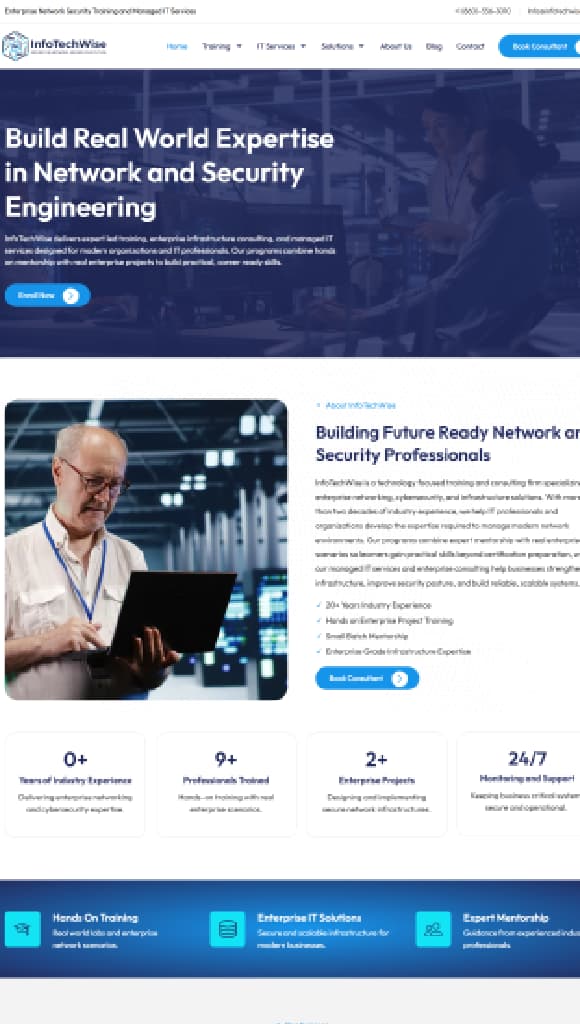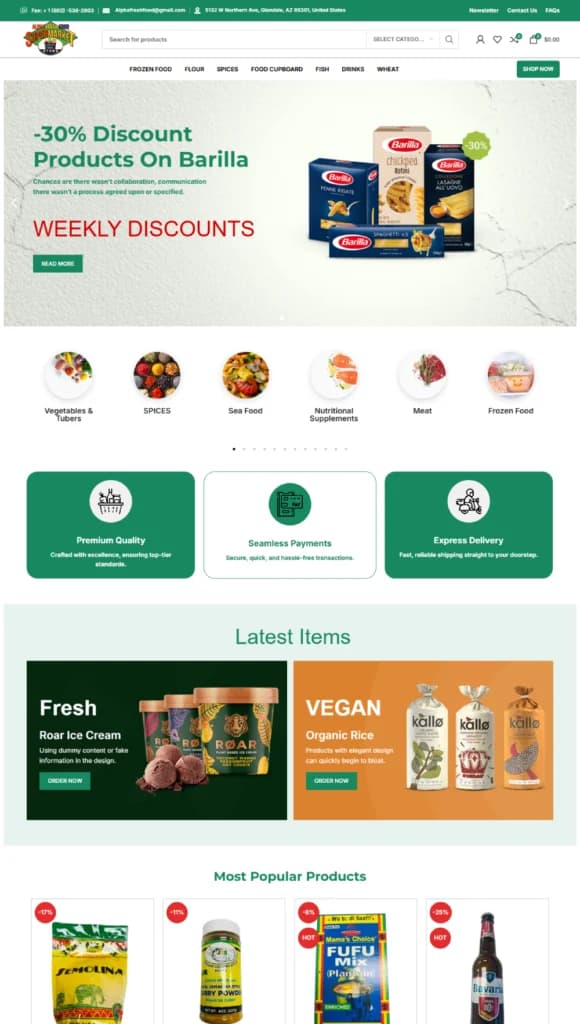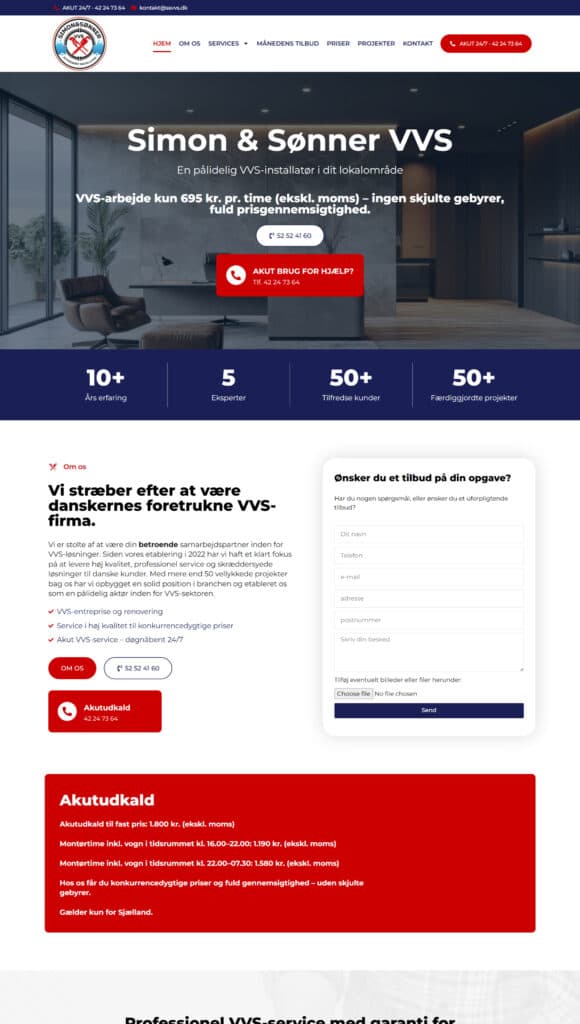
E-commerce WebDevelopment forBrands Ready toImprove Their Store
Attors designs and develops Shopify, WooCommerce and custom storefronts that help shoppers find products, make informed purchases and give your team practical control of the store.


Growth depends on a store experience that helps shoppers find the right products, understand what they are buying and complete purchases without unnecessary friction.
Attors plans and develops e-commerce websites around customer journeys, merchandising workflows and the systems your team uses to run the store.
Clear navigation, site search, filters and collection structure help shoppers reach relevant products without working around the catalogue.
Complete product information, useful imagery, trust details and a responsive checkout path give customers the context they need to make a decision.
Manage collections, campaigns, product launches and catalogue updates without rebuilding the storefront or relying on repetitive technical work.
Connect inventory, fulfilment, CRM and marketing systems so storefront information and day-to-day commerce workflows stay aligned.
We plan the storefront, content, integrations and lifecycle touchpoints as one connected commerce experience, so every stage supports the next decision.
Search-ready landing pages and campaigns bring the right shoppers into a relevant store experience.
Navigation, search, filters and collections help customers reach suitable products quickly.
Clear product content, useful imagery and trust details support confident buying decisions.
Responsive carts, checkout and payment integrations reduce avoidable friction.
CRM, fulfilment data and lifecycle marketing support service, repeat purchases and insight.
Review selected Attors websites and commerce projects as you consider your next store. Discuss your catalog, buying experience and operational needs with us to identify relevant work and a suitable project scope.
From catalog structure and campaign content to checkout and fulfilment, Attors develops the storefront capabilities your brand needs to sell and operate effectively.
Help customers find, compare and understand the right products.
Create a confident path from product page to completed payment.
Choose and implement a commerce foundation that fits the brand.
Connect the storefront with the systems that support daily operations.
Compare how your brand sells and manages the store. A headless storefront can still use Shopify or another commerce backend.
Best when Managed commerce operations and a dependable checkout are priorities.
Plan for App dependencies, checkout limits and recurring platform costs.
Best when WordPress content, flexible store control and ownership matter together.
Plan for Hosting, security, updates and extension compatibility.
Best when Your storefront needs frontend control beyond a standard theme.
Plan for A larger delivery scope and ongoing technical ownership.
Attors recommends the platform after requirements and trade-offs are clear.
A structured delivery plan keeps storefront decisions, integrations, content, approvals and launch readiness connected.
Clear goals, customers and requirements.
Validated architecture and delivery plan.
Approved UX, content and merchandising blueprint.
Integrated storefront with connected commerce systems.
Tested, reviewed and prepared for release.
Live storefront, documentation and clear ownership.
Requirements and architecture planning, UX and design, development, integrations, quality assurance and release management.
Content, products and merchandising, configuration and policies, brand assets and approvals at each agreed review point.
Scope changes, integration dependencies and release issues are managed through structured reviews, testing and sign-offs.
After launch, use storefront speed, search data and purchase events to identify what needs attention. Prioritize changes your team can measure and maintain.
Capture storefront performance, search health and conversion events across the customer journey.
Find technical friction affecting product discovery, page experience, indexability and checkout.
Order improvements around customer impact, commercial priorities and implementation effort.
Release focused changes, verify the outcome and carry the next priority forward.
Clear answers about commerce platforms, product discovery, checkout, integrations, migration, performance, search visibility and continuous store improvement.
A modern e-commerce website should help customers find suitable products, understand what they are buying and complete checkout with minimal avoidable friction. It should also give the brand a manageable way to publish products and campaigns, connect essential operational systems, measure important customer actions and improve the store as requirements change.
Shopify can suit brands seeking managed commerce infrastructure. WooCommerce can suit brands needing WordPress publishing and control over hosting and extensions. Headless commerce separates the storefront from the commerce backend; it can retain Shopify or another platform rather than replace it. Attors compares catalog needs, checkout constraints, editorial workflows, integrations and ongoing ownership before recommending a standard storefront, headless architecture or custom development.
Yes, when the current platform still supports the catalog, checkout, integrations, content workflow and growth requirements. Attors can improve product discovery, responsive storefront UX, merchandising flexibility, page performance and technical SEO on the existing platform. Replatforming is recommended only when confirmed limitations make reliable improvement impractical.
Effective product discovery starts with a clear catalog architecture. Categories, collections, product attributes, search, filters, merchandising and internal links should reflect how customers compare products. Attors also plans product content and responsive behavior so useful choices remain understandable across desktop and mobile storefronts.
Review product options, pricing, shipping costs, delivery estimates, cart updates, form errors, account choices, payment methods and mobile usability. Attors checks the path from product page to order confirmation, including declined payments and recovery states. The changes available depend on the platform, plan and supported extensions; custom storefront design does not automatically remove checkout restrictions.
Yes, when the selected systems provide suitable apps, APIs or other supported integration methods. E-commerce integrations require clear data ownership, authentication, field mapping, synchronization rules, error handling and operational responsibility. Attors documents those dependencies before development so the storefront and back-office workflow remain aligned.
Attors begins with an inventory of products, categories, content, media, metadata, important URLs, internal links, analytics and integrations. The migration plan records what stays, changes or retires, maps redirects where URLs must change and validates crawlability, structured data and priority purchase journeys before and after launch. Search rankings cannot be guaranteed, but avoidable migration risks can be controlled.
They can be included in the agreed e-commerce website scope. Relevant work may cover Core Web Vitals, image and script delivery, crawlable rendering, canonical rules, product and category metadata, internal links, sitemaps and accurate structured data. The exact responsibilities depend on the platform, theme, applications and technical access available.
Attors can define and test events for product views, search, add-to-cart actions, checkout and purchases, then review them alongside performance and search data. Measurement should account for consent settings, duplicate events and order accuracy. An agreed post-launch scope sets priorities, review frequency and implementation responsibilities. Results are assessed against the available baseline rather than a promised conversion increase.
Share your current store URL, platform, catalog size, customer needs, priority improvements, integrations, content readiness, target launch window and budget range. Identify who can review products, policies and design. These details help Attors assess fit as your e-commerce web development company and prepare a realistic scope. Technical access can be arranged securely during scoping; do not send passwords in an initial enquiry.
The timeline depends on platform choice, catalog size, content readiness, storefront templates, checkout rules, integrations, data migration, testing and approval speed. Attors confirms the delivery stages and client responsibilities after discovery, so the plan reflects the work and dependencies involved rather than a generic launch date.
Project cost depends on design, storefront templates, catalog complexity, checkout changes, integrations, migration and testing. Ongoing platform subscriptions, hosting, paid apps or extensions and maintenance also affect the total cost of ownership. Attors separates agreed development work from third-party and post-launch responsibilities in the scope and project-specific estimate.
Tell us what your store needs to do better, which platform you use and what your team needs to manage. Attors will review the priorities, technical constraints and scope of your next website project.
Where shoppers meet avoidable friction
What the current setup must support
Which systems and teams need to connect
What the next release must achieve
Attors reviews your store priorities, identifies missing information and confirms the next scoping conversation.
Focused requirements. Clear responsibilities. A practical next step.