Framer Development Agency
Framer Websites Designed to Move Ideas Into Market
Attors creates Framer marketing websites with a refined visual system, clear customer journeys and responsive behavior built for focused launches.

Attors creates Framer marketing websites with a refined visual system, clear customer journeys and responsive behavior built for focused launches.
Use the operating model, content, commerce and integration requirements, rather than platform popularity, to decide whether Framer is the right direction.
Choose Framer for focused, design-led marketing websites where rapid visual iteration, responsive components and purposeful motion matter.
Choose another direction when content governance, application logic, permissions or backend integrations need more depth than the Framer project should carry.
Platform capability matters, but the project succeeds when customer journeys, team workflows, connected systems and technical responsibilities are planned together.
Review Your PrioritiesLayout, typography and proof should help visitors understand the offer and reach the right action without visual noise.
Breakpoints and component states need review across real content so the experience remains composed on every priority device.
Components, variants and approved patterns should accelerate launches without introducing inconsistent layouts or duplicated design work.
Collections, fields and templates should match recurring editorial needs before campaigns, articles or case studies expand.
Interactions should clarify hierarchy or feedback, respect reduced-motion preferences and remain efficient on agreed devices.
Lead routing, measurement, consent, domains and publishing access require documented validation and accountable owners.
The final scope combines the platform’s proven capabilities with focused design and engineering. Every feature, extension and integration needs a clear purpose, owner and acceptance requirement.
Discuss Your Framer RequirementsPolished layouts, breakpoints and components implemented against the approved direction.
Reusable interface patterns and purposeful transitions that support the message.
Structured collections and templates for articles, work, people or other recurring content.
Reusable page patterns and clear content responsibilities for marketing teams.
Capture, validation, consent, routing and confirmation states planned together.
Approved connections assessed against Framer’s current plugin, fetch and server capabilities.
Semantic page structure, metadata, responsive readability, focus and motion preferences reviewed.
Assets, animations, scripts, domains and priority journeys tested before release.
Your written proposal confirms the exact architecture, interface, content model, integrations, testing and handover included. Platform subscriptions, paid extensions, content production and ongoing support remain separate unless named.
Sitemap, hierarchy, proof and conversion paths aligned to launch goals.
Typography, spacing, breakpoints and states defined for consistent delivery.
Reusable Framer components and variants prepared for focused iteration.
Structured recurring content connected to approved page templates.
Purposeful transitions planned with performance and accessibility considered.
Lead routing, measurement and approved connected services validated.
Metadata, semantics, motion preferences, devices and redirects reviewed before release.
Domains, access, editing guidance and ongoing ownership confirmed.
A Framer rebuild should retain the business value of the current website while creating a more focused visual system. We map content, routes, forms, scripts and search signals before launch.
Important pages, claims, evidence and conversion paths are inventoried.
Collections, fields, records and template relationships are mapped before rebuild.
Priority paths, titles, canonicals and redirects receive explicit destinations.
Brand files, images, video, fonts and accessibility details are revalidated.
Useful design patterns are translated into reusable responsive Framer components.
Lead routing, consent and approved connected services are tested again.
Measurement, campaign parameters and consent behavior remain visible in the plan.
Publishing access, DNS, crawl controls, devices and priority journeys are validated.
Attors turns business goals and platform requirements into a controlled delivery plan with reviewable outputs, visible dependencies and accountable decisions.
Explore Our Full ProcessConfirm audience, offer, launch goals and constraints.
Define sitemap, hierarchy, proof and conversion paths.
Approve responsive design, components and motion principles.
Build components, variants, CMS templates and states.
Configure forms, analytics and approved integrations.
Validate content, accessibility, performance and devices.
Complete domains, redirects, analytics and live review.
Confirm access, publishing guidance and next steps.

We have been working with Attors Technologies for over 5 years, and throughout this time they have handled all of our website development work with professionalism and reliability. Hamza and his team are always responsive, easy to work with, and committed to delivering quality work.
We had a very good experience working with Attors Technologies. They built our website and have also been helping with SEO and regular maintenance. The website is working well, and we are getting good customer inquiries from it.
We’ve been working with Abuzar and the team at Attors Technologies for several years and have completed many successful website projects together. Their expertise in web development and digital solutions is outstanding.

Practical answers about platform fit, design and development, content management, integrations, migration, SEO, performance, timelines and cost.

A Framer development agency plans and builds marketing websites in Framer around brand, content and conversion goals. Attors can provide architecture, responsive design, components, CMS collections, motion, forms, integrations, migration, QA and handover.
Framer is often a strong fit for focused, design-led marketing and campaign websites that value rapid visual iteration and polished interaction. Complex application logic, permissions or editorial governance may require Webflow, WordPress or custom development.
Yes. Framer CMS supports collections for recurring content and provides APIs for managed or plugin-controlled data workflows. The content model should still be designed around real publishing requirements and current plan capabilities.
Teams can update CMS content and approved visual content within the project. Reusable components, naming conventions and handover guidance help protect consistency, while deeper layout or functionality changes may still need design or development support.
Framer supports forms and developer capabilities including plugins, code components, fetch and server APIs. The appropriate method depends on data sensitivity, authentication, reliability, limits and the operational owner of the connection.
Yes, when Framer suits the target requirements. We inventory useful content, search-visible URLs, forms, analytics and integrations, then rebuild the approved system and validate redirects and priority journeys.
Motion should explain hierarchy, reinforce feedback or support the story. We keep transitions purposeful, provide reduced-motion behavior where appropriate and review performance on the agreed devices rather than adding effects everywhere.
A Framer website can include metadata, structured page content, responsive design and accessible interaction choices, but implementation and content quality determine the result. Rankings and AI citations cannot be guaranteed.
Timeline depends on strategy, content, design depth, components, CMS, motion, integrations, migration and stakeholder approvals. Attors confirms the schedule after those dependencies are understood.
Cost reflects strategy, messaging, UX, visual design, responsive development, components, CMS, animation, integrations, migration, QA and handover. Framer plans and third-party services are separate where relevant.
Share the current website, business goals, required customer journeys and platform constraints. Attors will use those inputs to recommend a practical scope rather than a generic package.
Design depth, page and template count, content or catalog readiness, integrations, migration, QA and stakeholder feedback shape the delivery plan.
Strategy, design, implementation, platform configuration, integrations, migration, testing, licenses and post-launch responsibilities shape the written estimate.
Business, content, technical access and launch decision-makers keep feedback and acceptance accountable throughout delivery.
The proposal defines deliverables, platform and third-party costs, client inputs, ownership, assumptions, exclusions and ongoing responsibilities before work begins.
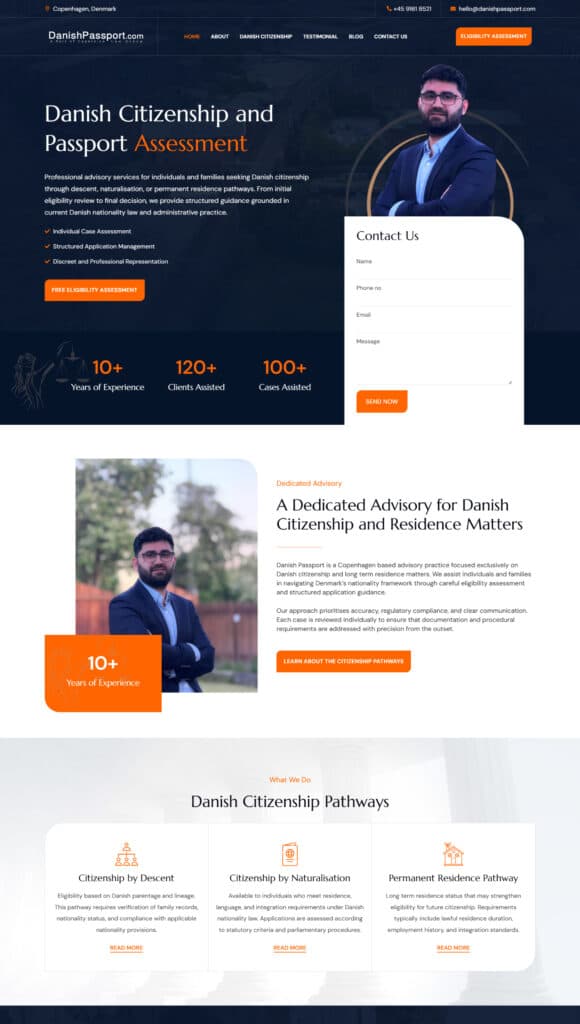
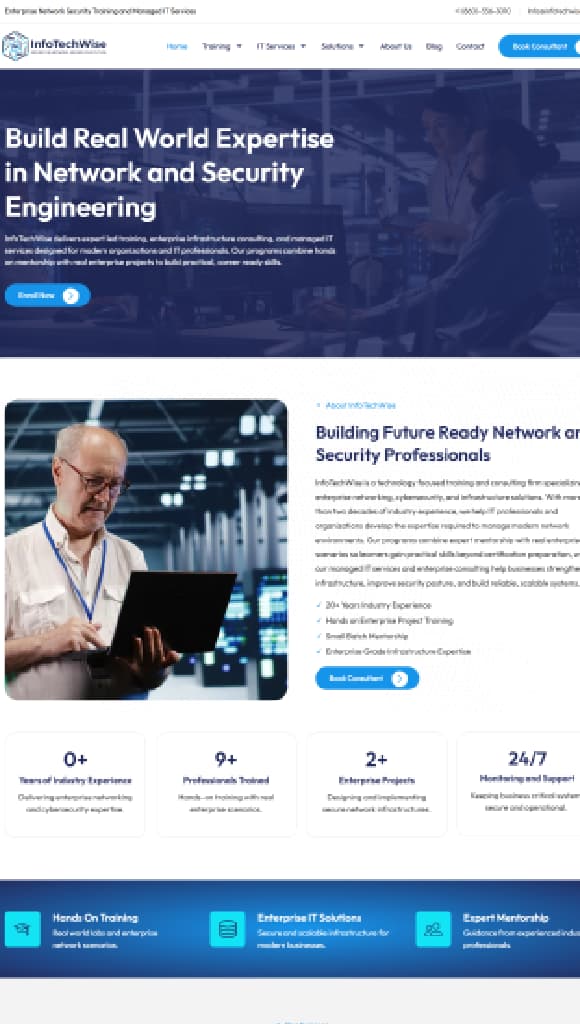
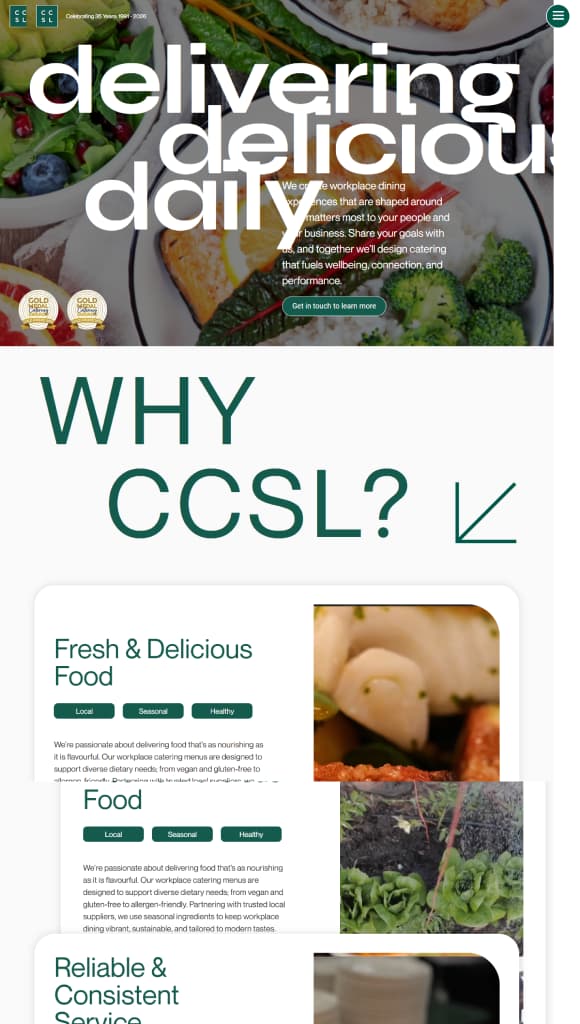
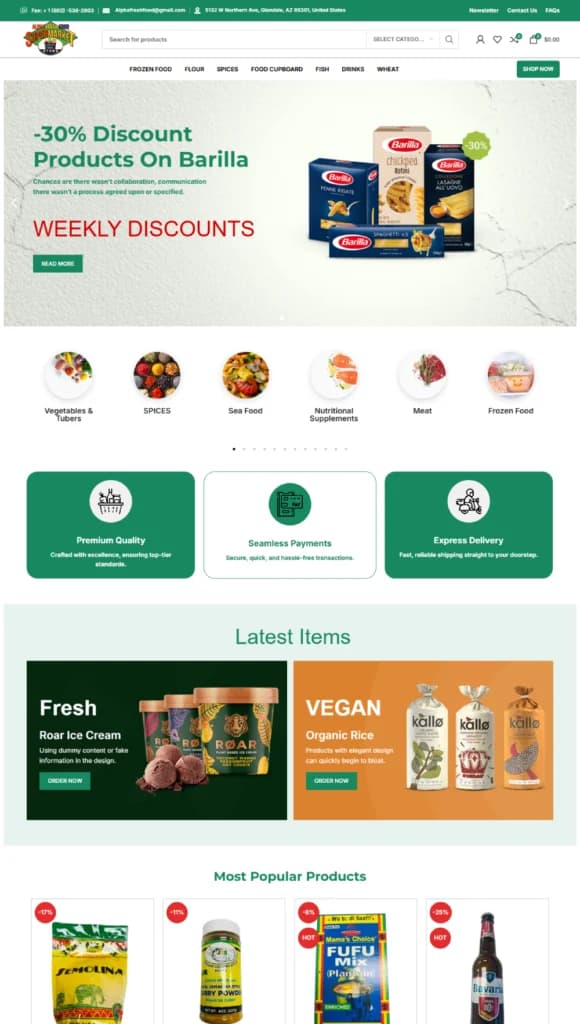
Review selected Attors work to understand the interface quality, responsive execution and production discipline we bring to framer development projects.