WooCommerce Development Company
WooCommerce Stores Built for Content, Commerce and Control
Attors builds WooCommerce stores around product structure, customer journeys, editorial content and the operational systems that support selling.

Attors builds WooCommerce stores around product structure, customer journeys, editorial content and the operational systems that support selling.
Use the operating model, content, commerce and integration requirements, rather than platform popularity, to decide whether WooCommerce is the right direction.
Choose WooCommerce when content and commerce need to work inside WordPress and greater control over code, data and hosting is important.
Consider Shopify when vendor-managed infrastructure and a more controlled commerce ecosystem matter more than WordPress flexibility.
Platform capability matters, but the project succeeds when customer journeys, team workflows, connected systems and technical responsibilities are planned together.
Review Your PrioritiesProducts, variations, attributes, bundles and recurring information should remain understandable for customers and manageable for store teams.
Editorial pages, product content and navigation need one coherent architecture instead of competing WordPress and store journeys.
Payment, shipping, tax and checkout customization should solve confirmed requirements while remaining compatible, secure and testable.
Each extension adds code, data access and update responsibility, so its purpose and operational owner must remain explicit.
Inventory, fulfilment, CRM and customer communications need documented data flows, failure handling and accountable handoffs.
Hosting, caching, database behavior, updates, backups and access controls must be managed as one production system.
The final scope combines the platform’s proven capabilities with focused design and engineering. Every feature, extension and integration needs a clear purpose, owner and acceptance requirement.
Discuss Your WooCommerce RequirementsResponsive product, collection, cart and content templates built around the approved experience.
Categories, attributes, variations and structured fields organized for customers and store teams.
Approved gateways, taxes, shipping and checkout changes tested against real store requirements.
Documented handoffs between the store, inventory, fulfilment and customer communications.
Vetted extensions selected only where they add clear value without unnecessary overlap.
CRM, ERP, marketing and operational connections planned with reliable data ownership.
Hosting, caching, database behavior, assets and third-party scripts reviewed together.
Controlled updates, backups, access and commerce journey testing with clear stewardship.
Your written proposal confirms the exact architecture, interface, content model, integrations, testing and handover included. Platform subscriptions, paid extensions, content production and ongoing support remain separate unless named.
Storefront, catalog, checkout and operations documented as one system.
Products, variations, attributes and categories structured for discovery and management.
Reusable responsive product, archive, cart and content templates.
Approved payment, shipping, tax and checkout rules documented and configured.
Plugins and connections recorded with purpose, dependencies and ownership.
Store access and content responsibilities aligned with real team workflows.
Transactions, redirects, tracking and release-critical journeys tested.
Updates, backups, access and ongoing stewardship clearly assigned.
A WooCommerce migration must protect catalog structure, customer journeys, URLs and operational connections. We classify source data, extension replacements and launch responsibilities before the new store goes live.
Product relationships, attributes, pricing, inventory and media are mapped.
Taxonomies, filters and discovery paths receive approved destinations.
Priority destinations, canonicals, titles and redirects remain visible in the plan.
Useful pages, product media and content associations are inventoried before rebuild.
Permitted historical data is assessed against source access and privacy needs.
Gateway, tax, shipping and notification dependencies are revalidated.
Plugin replacements, APIs and operational data flows are tested in staging.
Analytics, consent, transaction events and priority journeys are validated again.
Attors turns business goals and platform requirements into a controlled delivery plan with reviewable outputs, visible dependencies and accountable decisions.
Explore Our Full ProcessConfirm products, customers, content, operations and constraints.
Define catalog, templates, extensions, hosting and responsibilities.
Plan discovery, product and checkout journeys.
Build themes, components and approved custom functionality.
Connect payments, shipping, marketing and operations.
Test commerce journeys, accessibility and performance.
Release with redirects, tracking and transaction checks.
Confirm access, updates, documentation and stewardship.

We have been working with Attors Technologies for over 5 years, and throughout this time they have handled all of our website development work with professionalism and reliability. Hamza and his team are always responsive, easy to work with, and committed to delivering quality work.
We had a very good experience working with Attors Technologies. They built our website and have also been helping with SEO and regular maintenance. The website is working well, and we are getting good customer inquiries from it.
We’ve been working with Abuzar and the team at Attors Technologies for several years and have completed many successful website projects together. Their expertise in web development and digital solutions is outstanding.

Practical answers about platform fit, design and development, content management, integrations, migration, SEO, performance, timelines and cost.

A WooCommerce development company plans and builds WordPress stores around catalog, content, checkout, integrations and operations. Attors can provide custom themes, product architecture, extension governance, migration, performance work, testing and handover.
WooCommerce is a strong fit when a business wants WordPress content flexibility, control over hosting and code, and the ability to customize products or workflows. That control also requires disciplined updates, security, backups and technical ownership.
Neither platform is universally better. WooCommerce offers open-source WordPress flexibility and greater hosting control; Shopify offers managed commerce infrastructure and a controlled platform ecosystem. The right choice depends on product complexity, integrations, team capacity and ownership priorities.
Yes, where the requirement cannot be met reliably through core capabilities or a suitable maintained extension. Custom work is scoped around compatibility, security, data behavior, testing and long-term maintenance.
WooCommerce provides APIs and can connect to approved systems through maintained extensions or custom middleware. Feasibility depends on authentication, data models, rate limits, error handling and the capabilities of every connected system.
Yes, when the source provides suitable data access. We assess products, variants, customers, orders, media, URLs and integrations, then map what moves, changes or remains outside scope. Historical and personal data handling follows agreed access and privacy requirements.
We prefer core capabilities first, then select maintained extensions with a clear owner and purpose. Staging, update controls, compatibility testing and a documented dependency list reduce avoidable risk, but no extension ecosystem is entirely risk-free.
A well-engineered store can provide semantic templates, crawlable content, metadata, structured data and efficient delivery. Hosting, catalog scale, extensions, scripts and content quality all affect results, and rankings or AI citations cannot be guaranteed.
Timeline depends on catalog complexity, templates, checkout, extensions, integrations, migration and acceptance testing. A project plan is confirmed after these dependencies and client responsibilities are documented.
Cost depends on strategy, design, theme development, catalog setup, custom functionality, extensions, integrations, migration, QA and handover. Hosting, licenses and ongoing maintenance are identified separately where relevant.
Share the current website, business goals, required customer journeys and platform constraints. Attors will use those inputs to recommend a practical scope rather than a generic package.
Design depth, page and template count, content or catalog readiness, integrations, migration, QA and stakeholder feedback shape the delivery plan.
Strategy, design, implementation, platform configuration, integrations, migration, testing, licenses and post-launch responsibilities shape the written estimate.
Business, content, technical access and launch decision-makers keep feedback and acceptance accountable throughout delivery.
The proposal defines deliverables, platform and third-party costs, client inputs, ownership, assumptions, exclusions and ongoing responsibilities before work begins.
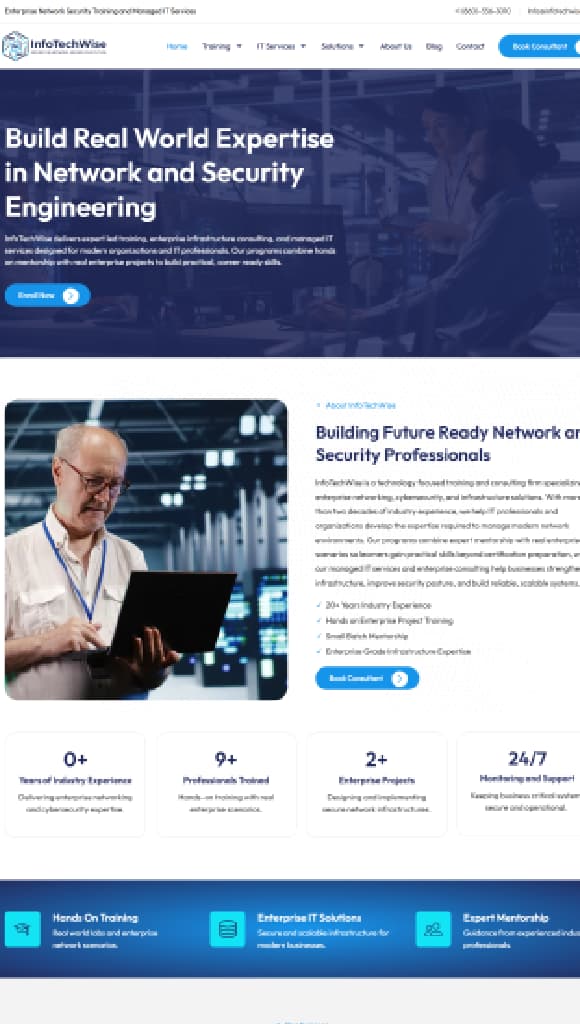
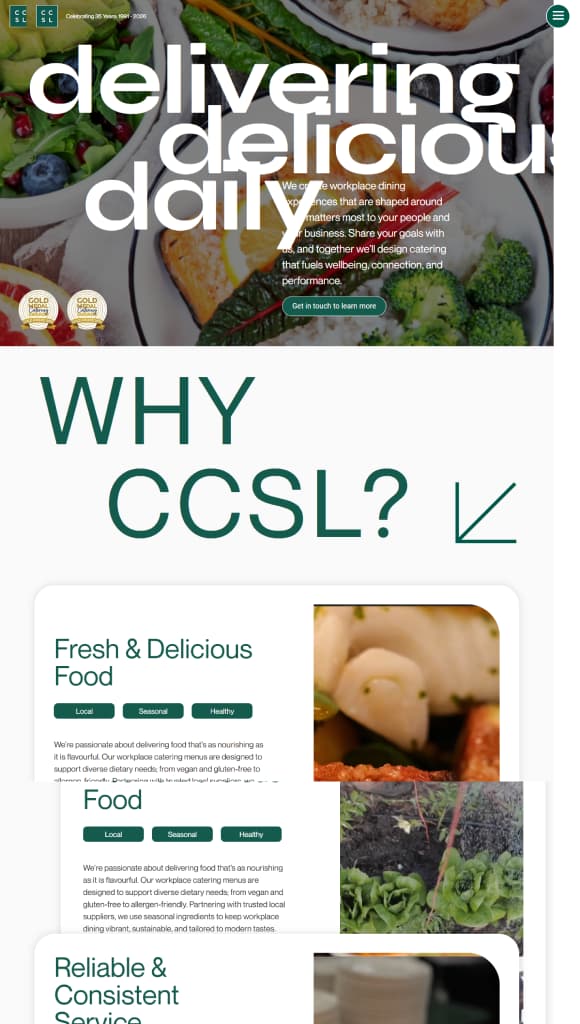
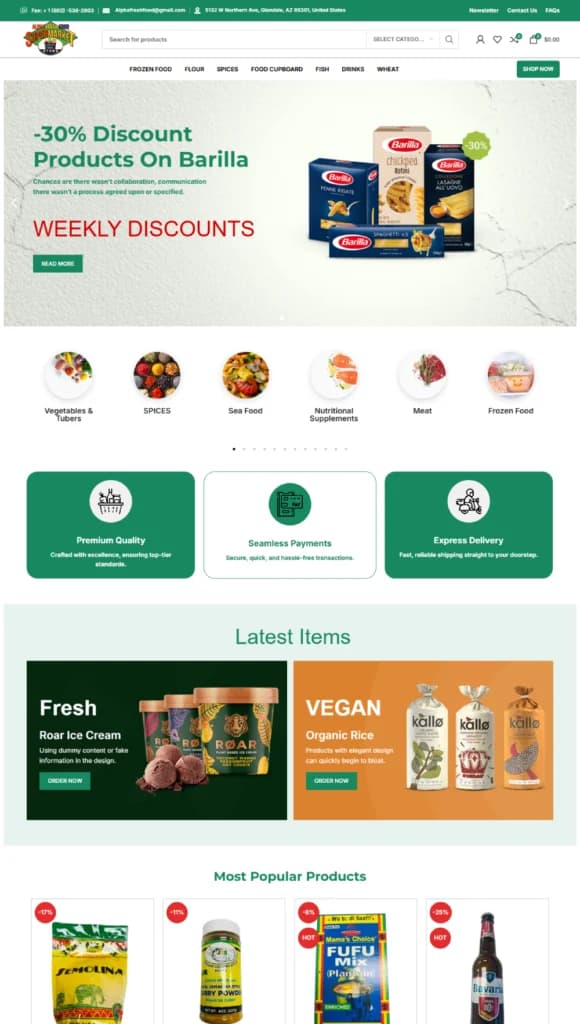
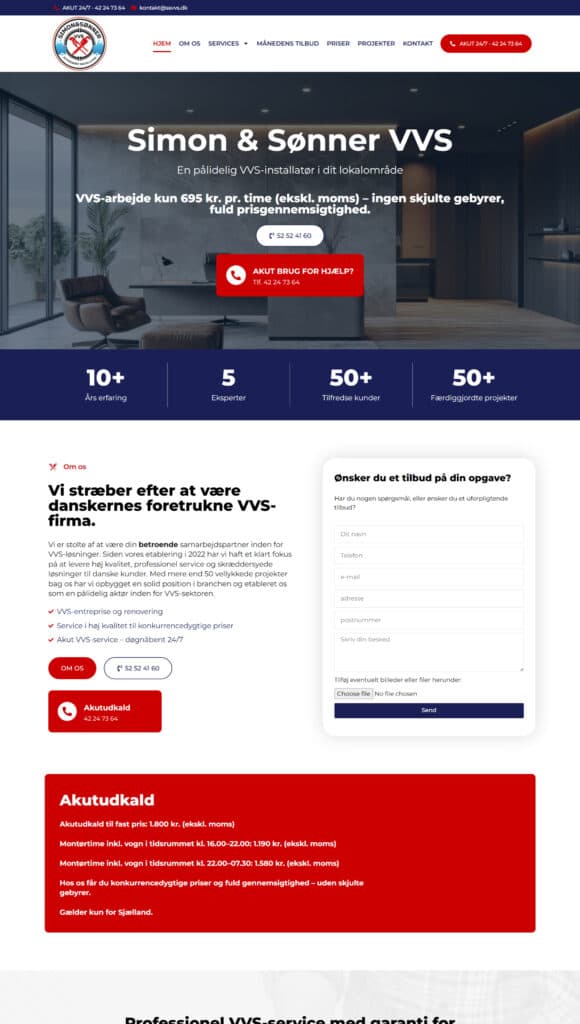
Review selected Attors work to understand the interface quality, responsive execution and production discipline we bring to woocommerce development projects.